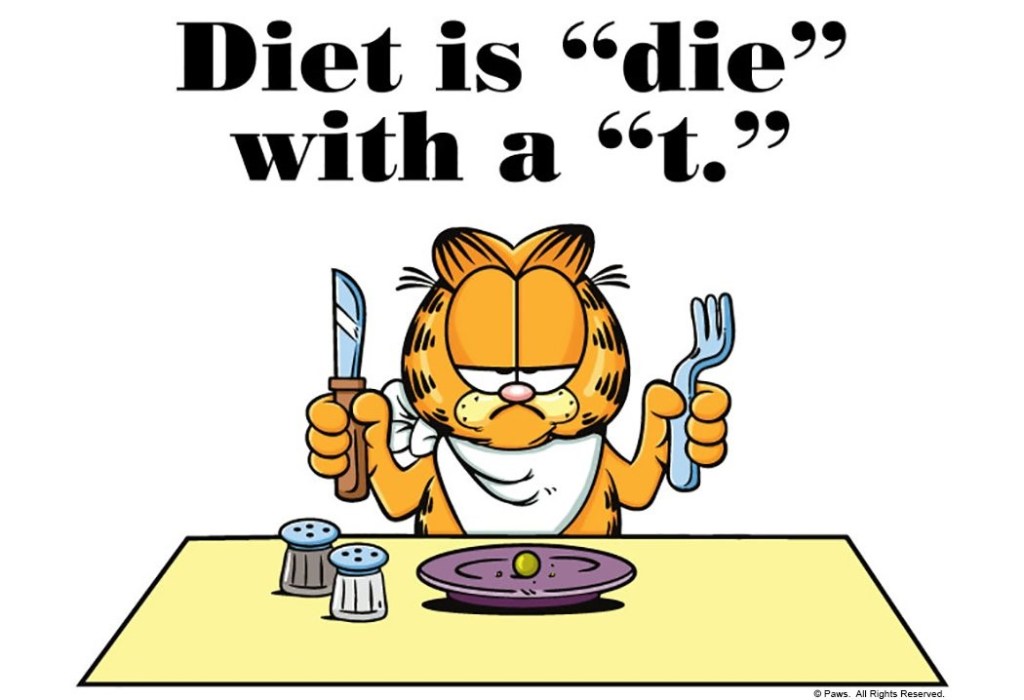
During my career as a physician the word “diet” has come up frequently when trying to guide my patients to better health. It would literally offend people as if I was using a different four-letter word. The word alone would trigger resistance and anxiety, but it originates from the word “diaita” in Greek meaning way of living. The stigma associated with the word made me approach the subject differently. I now speak of nutrition plans and encourage patients to adapt their nutrition according to their own lifestyle and food preferences. The problem is figuring out what is healthy. When you Google the healthiest diet, 188 million results pop up. So where do you start?
People tend to lean towards diets that are very restricted and may give quick results, only to have the rebound effect, sometimes gaining more weight than was lost. This is the yo-yo dieting effect. The truth is you can lose weight with any diet. The problem with dieting as such is that it’s done for a short period and most people go back to their old eating habits. Statistically the percentage of people that gain back the weight they lost is between 80 and 90%. This adds to the frustration and resistance to dieting.
Another factor that makes this even more difficult is that many food items that are labeled as “healthy”, aren’t really healthy at all. Now that the vegan diet has become so popular, people think that all vegan options are healthy, but there’s also vegan junk food. Potato chips are vegan for example. There are also many overprocessed vegan food items. They’re just as bad as junk food in general. In my opinion the food industry is more dangerous than Big Pharma, in the sense that food is something that every single person needs for survival so nobody can choose not to eat. By labeling foods as healthy, they trick people into choosing options that are actually not good for them. There are many documentaries about this available on Netflix, but even those are backed by companies who have something to gain. There are millions of studies and research articles about nutrition, and it becomes overwhelming because how do we know which one is accurate and non-biased? Unfortunately, most studies will have some kind of bias because there’s always something to gain. There are several of these studies funded by pharmaceutical companies which are a conflict of interest, making it even more difficult to figure out what is really healthy. Even the healthy choices are frequently genetically manipulated or have pesticides making eating healthy a really difficult task.
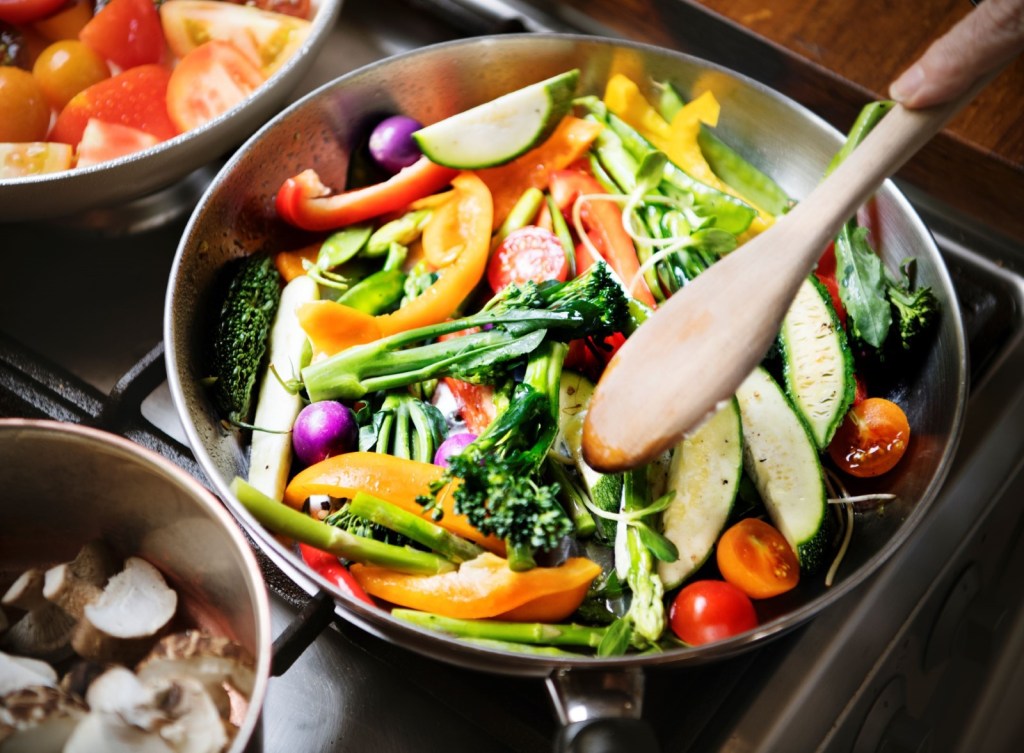
So, what can we do? Apart from growing our own food, how do we know which choices are the better ones? While it’s not easy, I don’t want to overcomplicate things either. You have to take an approach that you can stick to. We all know what’s bad for us: refined sugar, overprocessed foods, fast food, high fat foods, etc. The best approach would be to cook your own meals. Search for whole food ingredients. Choose food that is close to the way nature intended. Read nutrition labels. If you can’t pronounce the ingredients, it’s probably not good for you. OK I know… a lot of people don’t like cooking. Nowadays there are many restaurants offering healthy options. There are also caterers that offer healthy meals. Do your research. Ask the restaurants and caterers for the list of ingredients. You wouldn’t put the wrong fuel in your car, right? Why would you put the wrong food in your body? It may all sound expensive, but isn’t your health the most important thing to invest in?
Like many of you I also struggled with finding a nutritional approach that is healthy and doable long term. It’s not easy since we are constantly bombarded with ads and billboards of unhealthy food options. Unfortunately, unhealthy options tend to taste great so the temptation to eat unhealthy food is always there.
I will let you in on a little secret. I was introduced to a detox program which has been life changing for me. By ridding the body of the many toxins that we are confronted with on a daily basis, our bodies can function better. At first, I was a bit hesitant to start detoxing. I imagined myself starving and being miserable. But this particular program was actually really well thought out. While it’s not the easiest to do, it was very doable, and the effect and results were amazing. There are many detox programs out there so choose wisely. The detox plan must be nutrient dense, and you shouldn’t feel deprived. You must also have a qualified coach. The one I follow several times per year can be found on https://www.olgajob.com/ (no, it’s not a paid advertisement). I just feel that as a physician who has prevention of diseases as a priority, I must share what I think can benefit many people. I’m not perfect and I do sometimes make unhealthy choices too, but detoxing has become like a reset button for me. It may work for you too. What have you got to lose?




 Dr. O, Wellness Wanderer
Leave a comment