As women, we’re taught to fear menopause as the inevitable decline of our youth and vitality. We’re often taught to dread this inevitable transition. Despite the vast number of articles about menopause available, most women don’t really know much about the topic and will only start searching or talking to their physician when nearing the age of menopause or when the symptoms start.
So, what is menopause? Menopause is a natural biological process that marks the end of a woman’s menstrual cycles and fertility. It is defined as the absence of menstruation for 12 consecutive months. Menopause typically occurs in women in their late 40s to early 50s, but the timing can vary widely among individuals. Some women go into early menopause either due to hormonal imbalances, surgeries or medical treatments.
During menopause, the ovaries gradually produce less estrogen and progesterone, leading to various physical and emotional changes. Common symptoms of menopause include:
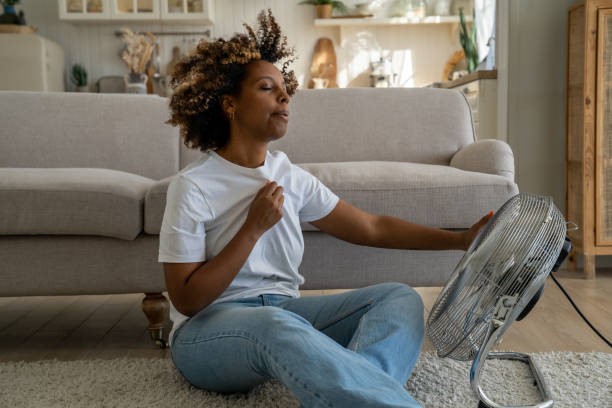
- Hot Flashes and Night Sweats: Hot flashes, characterized by sudden feelings of heat, flushing, and sweating, are one of the most well-known symptoms of menopause. Night sweats, which are hot flashes that occur during sleep, can also disrupt sleep patterns. This can have a major impact on a woman’s life, affecting everything from relationships with family and friends, to productivity at work. It’s also very unsettling when these hot flashes suddenly appear during interactions with others and the reaction people have when they see the profuse sweating many times is one of disgust or they poke fun at them making them feel insecure.
- Vaginal Dryness and Changes in Sexual Function: Declining estrogen levels can lead to vaginal dryness, itching, and discomfort, which may result in pain or discomfort during sexual intercourse. Changes in hormonal levels can also affect libido and sexual function. This can have a devastating effect on relationships. Partners or spouses may not understand what is happening and many times relationships end for this reason.
- Urinary Changes: Menopause can increase the risk of urinary incontinence, frequent urination, and urinary tract infections (UTIs) due to changes in the urinary tract and pelvic floor muscles. For a woman having to wear incontinence pads or adult diapers can be detrimental to their self-esteem.
- Changes in Menstrual Patterns: Leading up to menopause (perimenopause), menstrual cycles may become irregular, with variations in cycle length and flow. Especially for women who had regular cycles this can be unsettling since they can’t plan activities around their cycles anymore. Eventually, menstruation ceases altogether, marking the onset of menopause.
- Bone Density Loss: Estrogen plays a crucial role in maintaining bone density. As estrogen levels decline during menopause, women are at an increased risk of developing osteoporosis, a condition characterized by weakened and brittle bones. This increases their risk of fractures.
- Weight Gain: Many women experience weight gain, particularly around the abdomen, during menopause. Hormonal changes decrease muscle mass, and a slower metabolism can contribute to this weight gain. These changes also make it more difficult to lose weight. This also affects their self-esteem, and they may even become depressed.
- Changes in Skin and Hair: Declining estrogen levels can lead to changes in skin elasticity and moisture, resulting in dryness, thinning, and wrinkles. Hair may become thinner, drier, and more prone to breakage.
- Mood Changes: Menopause can be accompanied by mood swings, irritability, anxiety, and depression. Hormonal fluctuations, sleep disturbances, and life changes associated with menopause may contribute to these mood changes. Since these mood changes are multifactorial it’s hard to address this problem. Women are often faced with incomprehension and are mocked for being “menopausal” or “hormonal”
- Joint Pain: Some women may experience joint pain or stiffness during menopause. While the exact cause is unclear, hormonal changes, reduced physical activity, and aging-related factors may contribute to joint discomfort. Menopausal weight gain also plays a role.
- Heart Health Changes: Estrogen has a protective effect on the cardiovascular system, so its decline during menopause may increase the risk of heart disease and other cardiovascular conditions. It is extremely important for women to have their regular check-up with their physician when nearing menopause.
These are all symptoms that may or may not have medical treatment available. There are also many alternative methods which have been proven effective to relieve many of the menopause symptoms. Needless to say, focusing on healthy nutrition and exercise is crucial, as is good sleep hygiene. There are countless articles and medical studies on the subject with many options to choose from to treat these symptoms.
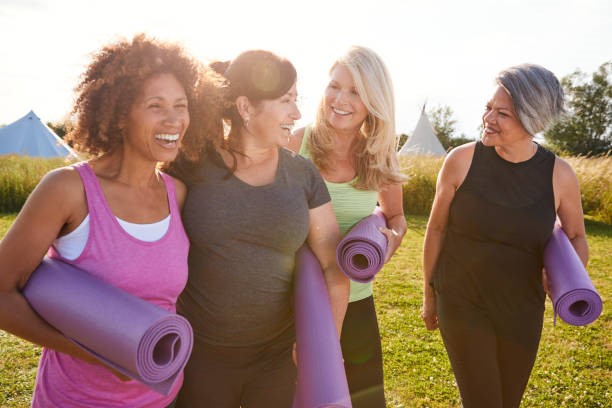
The part that barely gets any attention, however, but is like the elephant in the room is how the whole menopause process feels. Most women are well over their 40’s when menopause hits, what I like to call the invisible years. Suddenly you go from being a vibrant beautiful young woman to someone who barely gets noticed. You feel invisible. Having celebrities like the Jennifers (Lopez, Aniston, Garner) looking like they haven’t aged a bit over the past 20 years doesn’t help. It makes women feel like they have to keep up, when the hard reality is that we will get wrinkles, we will have sagging skin all over our body, we will get thicker around the waist. Most of us don’t have the means that celebrities have for cosmetic treatments, private chefs and personal trainers. We suddenly find ourselves having to look within and find our own self-worth. Many women will not admit to this, but the process can be lonely. Today’s woman is expected to be able to handle everything, work, family, spouse, and is expecting to be strong through it all. And we are strong, but we’re also vulnerable and that’s OK. We should be allowed to show our vulnerability without being criticized. This is where the support comes in. We should build a community of women where we’re allowed to be ourselves. Where we can laugh together, cry together, exercise or just have meaningful conversations. A judgement free zone where we can be who we’re supposed to be. Stop criticizing each other, be kind always!
Let me briefly share my own journey. I will elaborate more on this in a future blog. I was forced into menopause during medical treatment and 3 years after, when my menstruation returned, I had to have a total hysterectomy (womb removal including the ovaries) which pushed me right back into menopause. I had severe hot flashes, started gaining weight, and became depressed. It was a long journey to find myself again. It’s still a work in progress. For the hot flashes I didn’t find anything that worked other than drinking ice cold water when they appeared. I was not a candidate for Hormone Replacement Therapy. Weight had been a struggle until I found a detox program which I do about 4 times a year. It’s like my reset button. I also changed my diet which previously was low carb and a lot of animal protein (I did always eat a lot of vegetables) to mostly plant based. I’m not a vegan, more like a pegan (paleo-vegan), or what is nowadays called a flexitarian.
I also exercise regularly. I try to exercise 4 – 5 times per week. I recently joined a gym, but I have also done outdoor fitness, training with a small group via Zoom and YouTube fitness videos. I also do yoga via YouTube first thing in the morning. We have so many tools at our fingertips today. Even if you have a small space, you can find videos or apps with exercises you can do. The only thing you need to find now is motivation. Another thing that has worked for me is meditation. Since for me it’s hard to quiet my mind, I find guided meditations on YouTube. During the day if I need a mental break, I take a few deep breaths, knowing everything is always working out in my favor. Whenever I have a chance, I get together with my tribe (my sister and my friends). I also have daily check-ins with a dear friend who lives abroad. We talk about our wins and losses and keep each other accountable.
Menopause is a normal and natural part of aging, but it can have a significant impact on a woman’s life. It’s essential for women experiencing menopausal symptoms to consult with a healthcare provider for appropriate management and support. Unfortunately, many healthcare providers don’t have the knowledge or patience to guide their female patients through this process. Menopause still remains a topic shrouded in silence and stigma. Let’s build a community where we can talk about these kinds of topics. A no-judgement zone where you can bring all of you without shame.



 Dr. O, Wellness Wanderer
Leave a comment