We’ve all heard about the benefits of being in nature at one point or another in our life. Growing up on a small island, the nature we used to immerse ourselves in was usually the ocean. As a child I was half mermaid and loved to swim. I still remember the feeling after a day at the beach, how I loved the feeling of dried salt on my skin and the feeling of sunburned skin (sunscreen was not a thing back then). We would also venture on the weekends on our bikes to go see the flamingoes down at a pond near our house when they took flight right after dawn to Bonaire (the neighboring island). Those were careless days, and we didn’t realize it then, but we were actually benefiting from being in nature.
I did my medical education in Costa Rica, a country known for its beautiful nature with plenty of rainforests, mountains and also beaches. But as medical students we didn’t really have much time to explore the country. It wasn’t until my last year there that I realized what beautiful sceneries I had been missing out on.
Then came career and family life and the time to spend in nature wasn’t really there. When my children were younger we did go to the beach every weekend, but that outing, while a lot of fun, usually left me exhausted and not really recharged.
Our family trips also revolved more around activities and not so much around nature. Until I took my children to Costa Rica for the first time. At the time the reason for the trip was medical, but it was then I saw how much the children enjoyed beautiful sceneries. We returned a few times, and I was amazed how calm and centered they were during those travels.

Hot springs near Arenal volcano, Costa Rica
Now that the children have all flown the nest, I find myself more and more drawn to traveling to places known for their beautiful nature. Now I must confess, I’m a big wuss when it comes to creatures that live in nature. I freak out if something brushes against me in the ocean or if I see something crawling in the woods. But despite that, I also always feel serene and connected when in nature. So, I was wondering, what kind of effect does being in nature have on your health?
Here’s what I found.
1. Reduced Stress and Anxiety
Nature exposure is a powerful stress reliever. Research shows that spending time in natural environments, such as forests, parks, or near bodies of water, significantly lowers cortisol levels (the body’s main stress hormone). Nature encourages the parasympathetic nervous system, which is responsible for the “rest and digest” response, to activate. This leads to slower heart rates, reduced muscle tension, and a feeling of relaxation. Even short walks in nature or simply looking at natural scenery can help calm the mind and alleviate symptoms of anxiety and stress.
2. Improved Mental Health
Nature has been linked to better emotional well-being and can play a vital role in managing mental health issues like depression and anxiety. The sights, sounds, and smells of nature have a grounding effect, fostering mindfulness and reducing rumination—those repetitive thoughts often associated with anxiety and depression. Regular contact with nature can also increase serotonin levels (a neurotransmitter associated with feelings of well-being and happiness), resulting in improved mood and emotional resilience.
3. Boosted Immune Function
Time spent in natural environments has been shown to increase the activity and number of natural killer (NK) cells, which play a crucial role in the body’s defense against viruses, cancer, and infections. Phytoncides, which are antimicrobial compounds released by plants and trees, can stimulate immune function when inhaled. Additionally, exposure to fresh air and sunlight increases the body’s production of vitamin D, which supports immune health.
4. Enhanced Physical Health
Outdoor activities such as hiking, cycling, walking, or even gardening offer more than just the benefits of physical exercise. They can lower the risk of chronic illnesses such as heart disease, obesity, and type 2 diabetes. These activities are often gentler on the body than high-intensity indoor workouts, providing a low-impact, enjoyable form of exercise that can be maintained over time.
5. Increased Focus and Creativity
Nature serves as a powerful reset button for the brain. Studies have shown that spending time in natural environments improves cognitive function, enhances concentration, and stimulates creative thinking. This is linked to the concept of Attention Restoration Theory (ART), which suggests that natural environments help restore the brain’s ability to focus by giving it a break from the constant stimuli and demands of urban settings and technology.

6. Improved Sleep Quality
Exposure to natural light during the day helps regulate the body’s circadian rhythm—the internal clock that controls sleep-wake cycles. Spending time outside, especially during daylight hours, increases melatonin production in the evening, which helps improve sleep quality. The calming effects of nature also contribute to more restful sleep by reducing mental tension and physical stress.
7. Lowered Blood Pressure
Nature has a direct positive impact on heart health, and one of the most immediate benefits is the reduction of blood pressure. Studies show that people who spend more time outdoors in natural environments have lower systolic and diastolic blood pressure, which reduces the risk of hypertension, heart disease, and stroke. This effect may be due to the combination of reduced stress and increased physical activity, as well as exposure to calming natural sounds and scenery.
8. Strengthened Social Connections
Nature often encourages shared experiences, whether through group activities such as hiking, picnics, or even community gardening. Engaging in these activities can strengthen relationships and create a sense of community, which is essential for mental well-being and emotional health. Social interactions in a natural setting tend to be more positive and less stressful than in urban environments, encouraging deeper connections.
9. Increased Mindfulness and Gratitude
Nature encourages mindfulness, the practice of being fully present in the moment. Whether it’s listening to birds chirping, feeling the wind on your skin, or watching the movement of leaves, nature’s sensory experiences help anchor you to the present. This practice of mindfulness has numerous health benefits, including reduced stress, increased emotional regulation, and greater feelings of gratitude. The beauty and intricacies of nature also foster a sense of awe and wonder, which can lead to a more positive outlook on life.
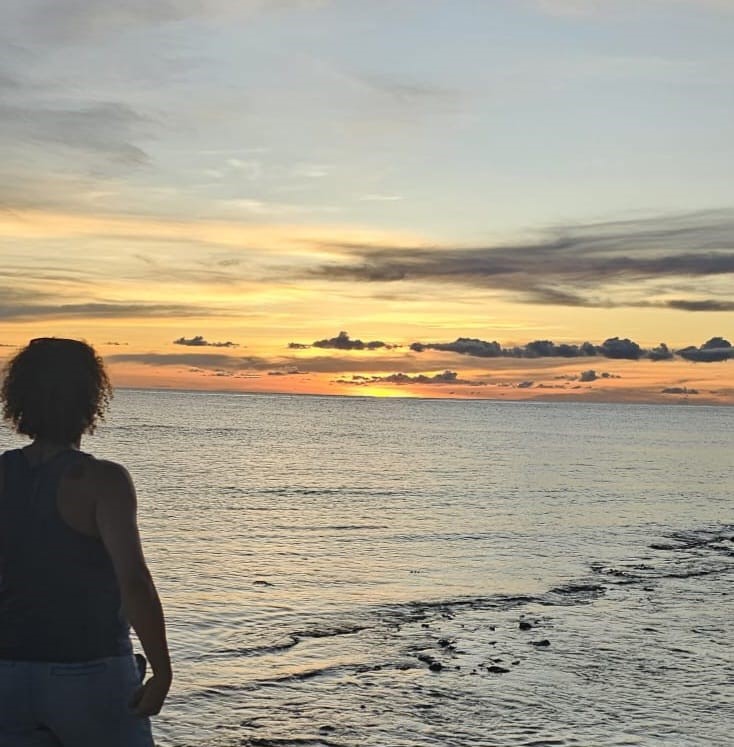
Curaçao sunset
10. Restored Mental Fatigue
Modern life is mentally demanding, leading to burnout and cognitive fatigue. Nature helps the brain recover from this fatigue by offering a break from high-stimulation environments, such as urban settings filled with traffic, crowds, and constant noise. Natural settings, which are less cognitively demanding, allow the mind to rest and replenish its capacity for directed attention and cognitive functioning.
But what do you do if you don’t have easy access to nature? You might live somewhere that doesn’t have any parks, forests, lakes or oceans nearby. How are you supposed to benefit from nature?
Here are some tips.
1. Bring Nature Indoors
- Houseplants: Add plants to your living and working spaces. Indoor plants not only improve air quality but also have a calming effect and can reduce stress. Low-maintenance options like succulents, spider plants, or snake plants are great for beginners.
- Natural Scents: Use essential oils or natural scents like lavender, eucalyptus, or sandalwood to create a relaxing atmosphere. These scents mimic the smells of the outdoors and can boost your mood.
- Nature Sounds: Play nature sounds such as ocean waves, forest ambiance, or birdsong in the background. These sounds can help create a peaceful atmosphere, enhance focus, and reduce stress.
2. Create a Green Space at Home
- If you have a balcony, patio, or rooftop, transform it into a mini-green space. Add potted plants, flowers, or herbs to bring a bit of nature to your home. Even a small space can be filled with greenery that offers the benefits of being around plants.
- Window Gardens: If outdoor space is limited, try setting up a small window garden with herbs or flowers. You can nurture these plants and still experience the joy of growing something natural.
3. Seek Out Water Features
- Water has a soothing effect similar to green spaces. If you don’t live near natural bodies of water, seek out urban fountains, rivers, or lakes. Spending time near these can provide some of the calming benefits associated with nature.

Wallensee in Amden, Switzerland
4. Exercise Outdoors
- Whenever possible, take your exercise routine outside. Whether it’s running, yoga, or simple stretching, doing it outdoors—even in a small park—can help you reconnect with nature. Many cities have outdoor gyms or green spaces designed for exercise.
5. Use Nature-Based Decor
- Surround yourself with nature-inspired art, photography, or decor. Images of landscapes, forests, mountains, or oceans can evoke feelings of peace and connection with nature. These visual reminders can help reduce stress and improve your mood.
6. Plan Regular Escapes to Nature
- If possible, schedule regular trips to natural environments such as national parks, beaches, or countryside areas. Even if it’s only a few times a year, these short breaks will help you reset mentally and physically.
- Weekend Trips: Look for natural getaways within a short drive from your city, such as hiking trails or nature reserves. Spending a day or weekend in nature can recharge your body and mind.
7. Grow Your Own Food
- Start a small herb or vegetable garden at home, even if it’s just a few pots on a windowsill or balcony. Growing your own food helps you connect with nature, and the process of nurturing plants is highly rewarding and therapeutic.
8. Practice Grounding or Earthing
- When you can, take off your shoes and stand barefoot on natural surfaces like grass, sand, or soil. This practice, known as “earthing,” is believed to have health benefits, including reducing inflammation, improving sleep, and decreasing stress. Even a small patch of grass in the city can offer an opportunity to ground yourself.
9. Sky Gazing
- Even if you’re surrounded by buildings, the sky offers a connection to nature. Spend time watching clouds during the day or stargazing at night. This simple practice can be calming and help you feel connected to the vastness of the natural world.
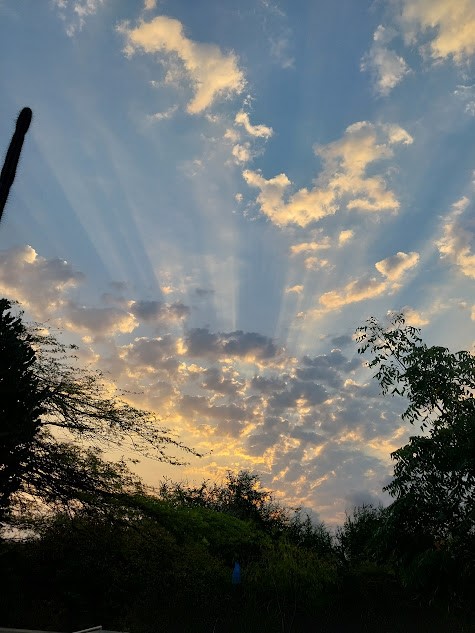
Curaçao sky
10. Mindful Nature Moments
- When you do get the chance to be outside, take a moment to be mindful of your surroundings. Even a small patch of grass, a tree, or a flower can offer a moment of peace. Focus on your senses—what you see, hear, smell, or feel. This can help you feel grounded and more present, even in urban environments.
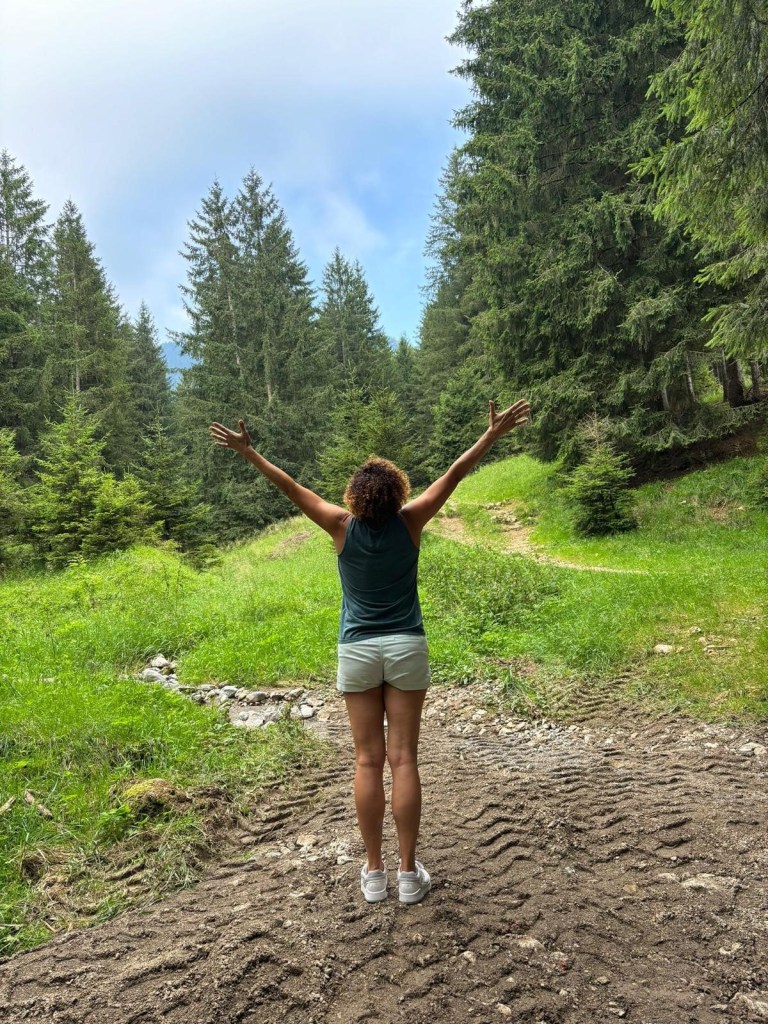
Castione della Presolana, Italy
No matter where you live or how busy life gets, nature has a unique way of grounding us, restoring balance, and bringing clarity. Its benefits extend far beyond physical health—nature feeds the soul, calms the mind, and reminds us of life’s simplicity and beauty. So, whether you escape to the mountains or simply pause to admire the sky, let nature be your guide to a healthier, more fulfilled life. After all, sometimes the most profound healing comes from the simplest connection with the world around us.

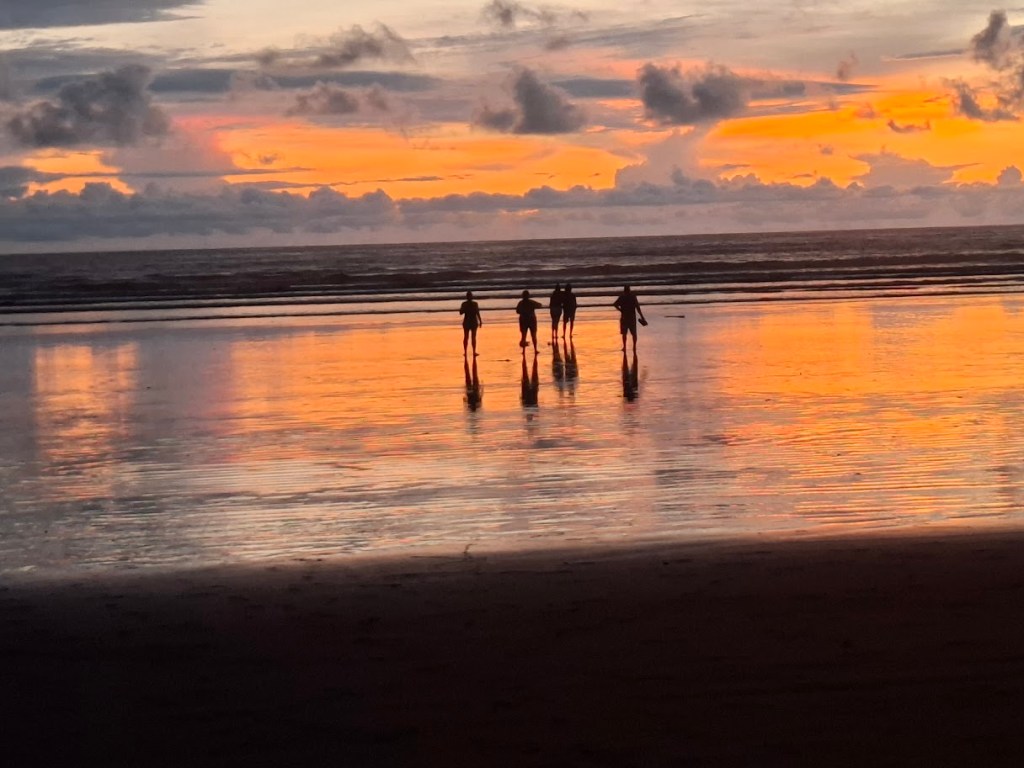


 Dr. O, Wellness Wanderer
Leave a comment