Today marks the first anniversary of my blog! On my 55th birthday, I set the intention to post a new entry every 5th of the month for a year. I truly enjoyed the journey, though there were times when inspiration was hard to find, and I felt pressured to create something new regardless. So, I’ve decided to switch things up a bit. I will continue to post regularly, but only when inspiration strikes.
I’m also excited to start sharing some recipes while shining a light on underrated vegetables—some of which I don’t even like myself! We’re kicking things off with my least favorite vegetable: the red beet. Despite knowing how healthy it is, I’ve never been a fan of this slightly sweet, soft root vegetable. However, everything changed when I discovered a recipe for red beet hummus, which encouraged me to incorporate it into my meals. Now, I have a few tasty recipes that I genuinely enjoy!
Let’s start first with the health benefits of red beets.
- Rich in Nutrients: Beets are high in essential vitamins and minerals, including folate, vitamin C, potassium, manganese, and iron. These nutrients support various body functions, from immune health to energy production.
- Supports Heart Health: The high nitrate content in beets helps improve blood flow and lower blood pressure. Nitrates in the body are converted into nitric oxide, which relaxes blood vessels, thus promoting better circulation.
- Boosts Stamina and Athletic Performance: The same nitrates that benefit heart health also enhance endurance. Studies show that consuming beet juice can increase oxygen uptake, improving stamina during exercise.
- Aids in Digestion: Beets are high in fiber, which supports digestive health by promoting regular bowel movements and feeding beneficial gut bacteria.
- Anti-inflammatory Properties: Beets contain antioxidants, such as betalains, which help reduce inflammation in the body. This can support overall health and may reduce the risk of chronic conditions.
- Supports Detoxification: Betalains in beets help support liver function, which is essential for detoxifying the body. This can help remove toxins from the bloodstream more effectively.
- Cognitive Health: The improved blood flow from nitrate consumption can also benefit cognitive function by increasing blood flow to the brain, potentially enhancing mental clarity and reducing the risk of cognitive decline.
- Blood Sugar Regulation: Beets have a relatively low glycemic index, meaning they don’t cause rapid spikes in blood sugar. Additionally, fiber in beets helps stabilize blood sugar levels over time.
Nutrition Information (per 100g of cooked red beet)
- Calories: 44 kcal
- Protein: 1.7 grams
- Carbohydrates: 9.6 grams
- Fiber: 2.8 grams
- Sugars: 6.8 grams
- Fat: 0.2 grams
Key Vitamins and Minerals
- Folate (Vitamin B9): 20% of the Daily Value (DV) – essential for DNA synthesis and cell growth, especially beneficial during pregnancy.
- Manganese: 16% of the DV – supports bone health, metabolism, and antioxidant function.
- Potassium: 9% of the DV – regulates blood pressure, supports nerve function, and balances fluids.
- Vitamin C: 8% of the DV – boosts immunity, aids in collagen production, and acts as an antioxidant.
- Magnesium: 6% of the DV – needed for muscle and nerve function, bone health, and energy production.
Antioxidants and Compounds
- Betalains: These unique antioxidants give beets their vibrant red color and have anti-inflammatory properties, support liver health, and may reduce cancer risk.
- Nitrates: Natural compounds that convert to nitric oxide, improving blood flow, lowering blood pressure, and potentially enhancing athletic performance.
The following recipes are my favorite ways of integrating red beets into my diet. My sources for recipes are various, e.g. Instagram or TV channels like the Food Network and the Cooking Channel. I always add my own flair to these recipes and usually don’t really measure them so feel free to adapt the recipes according to your own taste.
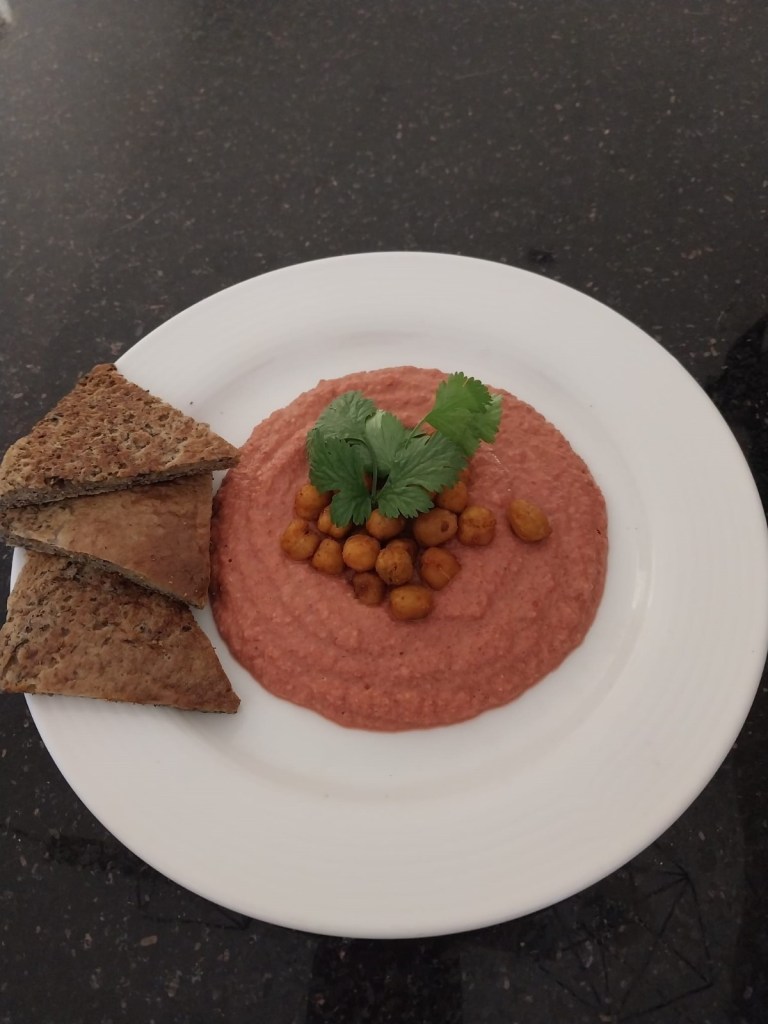
Beet Hummus
Ingredients:
- 1 medium roasted beet
- 1 can (15 oz) chickpeas, drained and rinsed
- 1/4 cup tahini
- 2 tbsp olive oil
- 1 tbsp sesame oil (optional)
- Juice of 1 lemon
- 1 garlic clove, minced (or a whole head of roasted garlic)
- 1 small hot pepper, seeds removed for less spice (optional)
- Salt and pepper to taste
Instructions:
- Add all ingredients to a food processor and blend until smooth.
- Adjust seasoning if necessary and add a bit more olive oil if you prefer a thinner texture.
- Serve with pita bread, crackers, or raw veggies.
Beet and Carrot Soup
Ingredients:
- 2 medium beets, peeled and diced
- 2 large carrots, peeled and diced
- 1 small onion, chopped
- 1 garlic clove, minced
- 3 cups vegetable broth (for a thicker consistency use less)
- 1 tbsp olive oil
- 1 tsp cumin
- ½ tsp Cayenne powder (optional)
- Salt and pepper to taste
Instructions:
- In a large pot, heat olive oil and sauté the onion and garlic until softened.
- Add the beets, carrots, cumin, and broth. Bring to a boil, then reduce heat and let simmer for 25-30 minutes or until vegetables are tender.
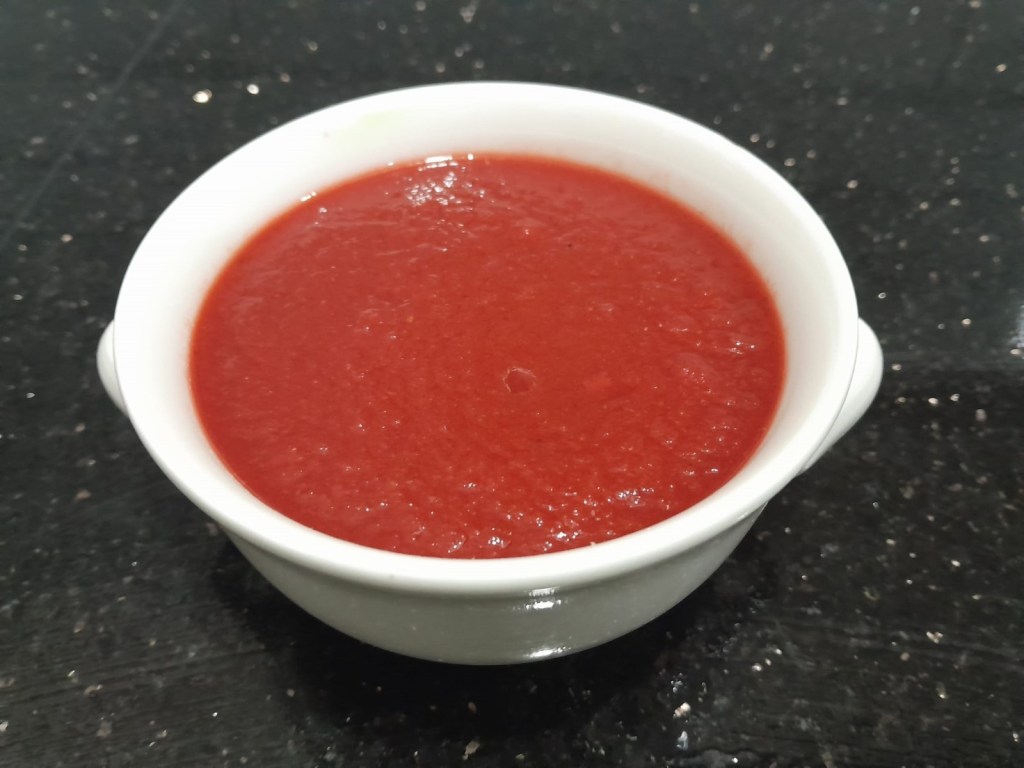
- Use an immersion blender to puree the soup to a smooth consistency.
- Season with salt and pepper. Garnish with a dollop of (vegan) yogurt or fresh herbs and enjoy!
Beet Smoothie
Ingredients:
- 1 small raw red beet, peeled and diced
- 1 cup frozen berries (strawberries, blueberries, or raspberries)
- 1/2 banana
- 1/2 cup Greek yogurt or a plant-based alternative
- 1 cup almond milk (or preferred milk)
- 1 tsp honey or maple syrup (optional)
Instructions:
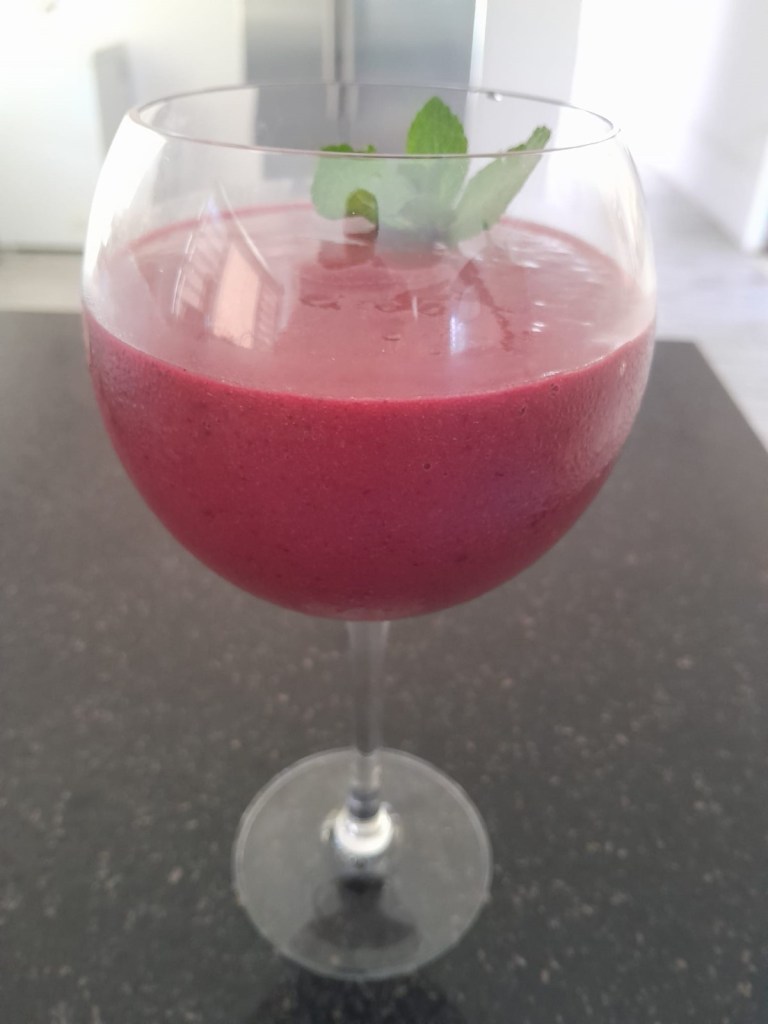
- Place all ingredients in a blender and blend until smooth.
- Add more almond milk if needed to reach your desired consistency.
- Pour into a glass and enjoy the nutrient boost!
Whether you’re a long-time beet lover or just starting to explore this incredible root vegetable, I hope these recipes inspire you to get creative in the kitchen. Don’t hesitate to experiment with your own flavors and variations – after all, the beauty of cooking is making it personal. Enjoy the journey, and happy cooking with beets!





 Dr. O, Wellness Wanderer
Leave a reply to Anonymous Cancel reply